Love this? Save it for later!
Share the inspiration with your friends
“You just toss it with the salad and it’s magic,” my friend said over a casual Zoom call one evening, while stirring her homemade dressing. I was skeptical—honestly, I thought vinaigrettes were these complicated things, all fussy whisking and precise measurements. But then she shared her secret: a simple, reliable recipe for an easy restaurant-style vinaigrette that tastes like it came straight from a fancy bistro. I decided to give it a shot, and well, that night’s salad game shifted forever. There’s something about the perfect balance of tang and sweetness, the gentle hum of garlic and mustard in the background, that just makes fresh greens sing.
What surprised me the most was how quickly this vinaigrette came together—like, under five minutes. No special equipment, no weird ingredients, just pantry staples that I’d typically grab for other dishes. It’s become my go-to, especially after long days when I want something fresh but don’t have time to fuss. The best part? It’s versatile enough to dress up a simple garden salad, a crisp kale bowl, or even a quick pasta salad for dinner (reminds me a bit of the tangy notes I love in the wholesome marinated kale and chicken bowls I keep coming back to).
Honestly, I never thought a vinaigrette could feel this satisfying without being complicated. It’s the kind of recipe that quietly becomes a staple. You start making it, and soon enough, it’s what you reach for to brighten weeks of meals. It’s fresh, tangy, and just the right amount of silky, and it’s stuck with me because it reminds me that sometimes, simple is exactly what the day needs.
Why You’ll Love This Recipe
This easy restaurant-style vinaigrette recipe is one of those rare things that’s both super quick and reliably delicious. After testing it multiple times, tweaking the mustard ratio and balancing the acidity, I can confidently say it’s a winner for anyone who loves fresh salads without the mess.
- Quick & Easy: Ready in under 5 minutes—perfect for busy weeknights or when you’re craving something fresh but don’t want to fuss.
- Simple Ingredients: Uses common pantry staples like olive oil, vinegar, Dijon mustard, and a touch of honey—no need for fancy grocery runs.
- Perfect for Any Salad: Whether you’re tossing a leafy green salad or something more hearty like a beet and goat cheese salad, this vinaigrette adds a bright, balanced flavor.
- Crowd-Pleaser: I’ve served this at casual dinners and potlucks, and it’s consistently the dressing people ask for again.
- Unbelievably Delicious: The smooth texture and harmonious blend of tang, sweetness, and a hint of spice make it feel like restaurant-quality without the wait.
This isn’t your typical vinegar-and-oil combo. The trick is in the Dijon mustard, which helps emulsify the dressing for an ultra-smooth finish, and the honey that tames the acidity just right. I’ve even swapped in apple cider vinegar for white wine vinegar depending on what’s on hand, and it still turns out perfectly balanced every single time. It’s reassuring to have a reliable vinaigrette recipe like this in your back pocket—one that feels fresh but also trustworthy.
What Ingredients You Will Need
This recipe uses simple, wholesome ingredients to create a bright, tangy vinaigrette that’s surprisingly complex in flavor. Most are pantry staples, so you probably have everything already, making it an easy addition to any salad routine.
- Extra Virgin Olive Oil – ½ cup (120 ml), the base of the vinaigrette, providing richness and smoothness. I prefer California Olive Ranch for its fruity notes.
- White Wine Vinegar – 3 tablespoons (45 ml), for a mild acidity that’s not overpowering. You can substitute with apple cider vinegar for a slightly sweeter tang.
- Dijon Mustard – 1 teaspoon, the emulsifier that gives the dressing its creamy texture and a gentle kick.
- Honey – 1 teaspoon, to balance the acidity with subtle sweetness. Feel free to swap for maple syrup if you’re avoiding refined sugars.
- Garlic – 1 small clove, minced finely or grated, adding a punch of flavor without overwhelming the dressing.
- Salt – ½ teaspoon, to bring all the flavors together.
- Freshly Ground Black Pepper – ¼ teaspoon, for a touch of warmth and spice.
Optional additions that I sometimes throw in for extra depth:
- Fresh Herbs like chopped parsley, basil, or tarragon (1 tablespoon), depending on the salad’s theme.
- Lemon Zest or a squeeze of lemon juice for an extra citrusy punch.
These ingredients combine to deliver a fresh, balanced dressing that’s not too sharp or too sweet—just right for enhancing any salad from a crisp avocado caprese to a bold kale bowl.
Equipment Needed
Good news: this vinaigrette recipe requires minimal equipment. Here’s what I use and recommend:
- Glass Jar with Lid (16 oz/500 ml) – A simple mason jar is perfect for shaking all ingredients together. It’s easy, mess-free, and stores well in the fridge.
- Measuring Spoons and Cups – For precise ingredient amounts. I prefer stainless steel for durability.
- Small Bowl and Whisk (optional) – If you want to whisk the vinaigrette instead of shaking for a smoother emulsion.
- Knife and Cutting Board – For mincing garlic or chopping herbs.
If you don’t have a jar, a small bowl and fork or whisk will do just fine. The shaking method is my personal favorite because it keeps things quick and easy (no extra dishes!). For those who love silky smooth dressings, a small immersion blender works wonders but is totally optional.
Preparation Method
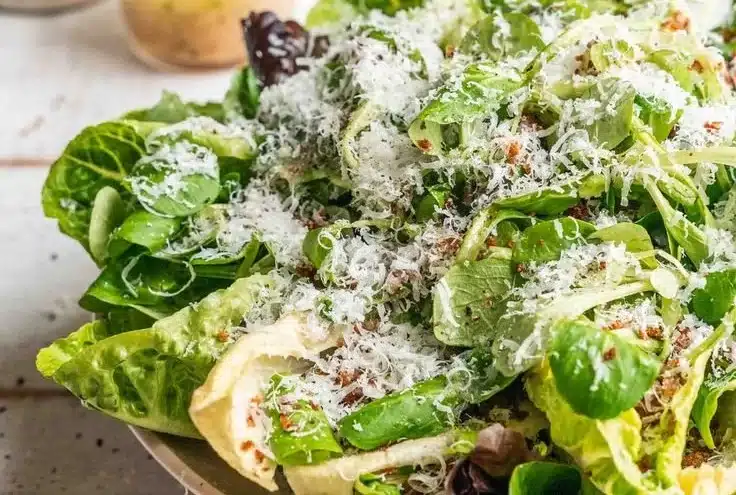
- Prepare the Garlic: Mince or grate 1 small clove of garlic finely. This step is key because you want the garlic to blend seamlessly into the dressing without big chunks.
- Combine the Vinegar and Mustard: In your jar or bowl, add 3 tablespoons (45 ml) of white wine vinegar and 1 teaspoon of Dijon mustard. Whisk or shake vigorously for about 30 seconds to combine. This helps start the emulsion process.
- Add Honey, Salt, and Pepper: Stir in 1 teaspoon honey, ½ teaspoon salt, and ¼ teaspoon freshly ground black pepper. Adjust salt later to taste, but start here for a balanced base.
- Slowly Pour in Olive Oil: While whisking continuously, slowly drizzle in ½ cup (120 ml) extra virgin olive oil. If shaking, add the oil all at once and shake vigorously for about 1 minute. You’re looking for a pale, creamy texture that clings lightly to your spoon or salad.
- Incorporate Garlic and Optional Herbs: Stir in the minced garlic and any fresh herbs you’re using. Give the dressing a final stir or shake to distribute.
- Taste and Adjust: Give it a quick taste. If it’s too sharp, add a little more honey. Need more acidity? A splash more vinegar. Too thick? A tiny amount of water can loosen it up.
- Dress Your Salad: Pour over your greens—start with about 2 tablespoons per salad serving—and toss gently but thoroughly.
This whole process takes about 5 minutes tops, and the vinaigrette stays fresh in the fridge for up to a week. If you notice separation, just shake it up before serving. The key is slow oil addition for proper emulsification, which keeps the dressing from looking oily or separated.
Cooking Tips & Techniques
Getting the perfect vinaigrette isn’t rocket science, but a few tricks help make it foolproof every time.
- Emulsify Slowly: Adding the olive oil slowly while whisking (or shaking vigorously) helps blend the oil with the vinegar and mustard. This creates that creamy, restaurant-style texture rather than a runny mixture.
- Choose Your Oil Wisely: Extra virgin olive oil gives great flavor, but if yours is too strong or bitter, try a lighter olive oil or a neutral oil like avocado. It changes the character completely.
- Balance Acidity and Sweetness: If your dressing feels too sharp, a little more honey or a pinch of sugar smooths it out. Conversely, if it’s too sweet, a splash more vinegar brightens things up.
- Fresh Garlic Matters: Don’t skip on fresh garlic—it adds pungency that dried garlic powder can’t replicate. Just mince it very fine to avoid unpleasant bursts of raw garlic.
- Make Ahead and Rest: Letting your vinaigrette sit for at least 15 minutes before tossing can deepen the flavors. It’s perfect for prepping a salad dressing in advance.
- Don’t Overdo the Salt: Salt enhances flavor, but too much can overpower. Start small and adjust after tasting with the salad greens.
I’ve learned this the hard way—rushing the emulsification or skimping on mustard leads to a dressing that separates quickly or lacks that silky feel. It’s like with my creamy pesto gnocchi—a little patience and proper technique make all the difference.
Variations & Adaptations
This vinaigrette recipe is a fantastic base to customize depending on what you have or your mood:
- Herb-Infused: Add fresh herbs like tarragon, dill, or basil for a herbal twist that pairs beautifully with mixed greens or vegetable salads.
- Citrus Vinaigrette: Swap half the vinegar for fresh lemon juice and add a teaspoon of orange zest for a bright, sunny flavor perfect for summer salads.
- Spicy Kick: Stir in a pinch of cayenne or a dash of hot sauce for a little heat that complements peppery arugula or kale.
- Vegan and Allergy-Friendly: Replace honey with maple syrup or agave, and use gluten-free Dijon mustard (check labels) to keep it allergen-conscious.
- Alternative Oils & Vinegars: Try walnut or avocado oil with sherry vinegar for a nuttier, richer profile.
One variation I personally love is adding a teaspoon of finely grated Parmesan cheese right before serving—a little indulgence that makes the vinaigrette feel more decadent without much effort.
Serving & Storage Suggestions
This vinaigrette is best served fresh, tossed directly onto your salad just before plating. It clings beautifully to leafy greens and vegetables, giving every bite a burst of flavor.
For a classic presentation, drizzle over mixed greens with cherry tomatoes, cucumber, and thinly sliced red onion. Or try it on roasted beet salads, where its acidity cuts through the earthiness perfectly. It pairs wonderfully with a fresh baguette on the side or alongside something hearty like the crispy ultimate BBQ chicken grilled cheese sandwich for a balanced meal.
Store any leftover vinaigrette in an airtight jar in the refrigerator for up to one week. It may separate, which is totally normal—just give it a good shake before each use. Flavors tend to mellow and meld over time, making the vinaigrette even more harmonious after a day or two.
When reheating salad leftovers dressed with vinaigrette, avoid heating the dressing itself as it can break. Instead, add fresh dressing after warming your salad components.
Nutritional Information & Benefits
A typical serving of this vinaigrette (about 2 tablespoons or 30 ml) contains approximately:
| Calories | 120 |
|---|---|
| Fat | 14g (mostly healthy monounsaturated fats) |
| Carbohydrates | 2g (from honey and mustard) |
| Protein | 0g |
| Sodium | 150mg (depends on salt added) |
The extra virgin olive oil offers heart-healthy fats and antioxidants, while the vinegar supports digestion and blood sugar balance. Garlic adds immune-boosting properties, and the modest amount of honey provides natural sweetness without spiking sugar levels excessively.
This vinaigrette fits well into gluten-free, low-carb, and dairy-free diets. Just watch the Dijon mustard label if you’re sensitive to any additives.
Conclusion
This easy restaurant-style vinaigrette has become my secret weapon for turning everyday salads into something genuinely satisfying. It’s simple but thoughtfully balanced, making fresh salads feel less like a chore and more like a treat. Whether you’re throwing together a quick lunch or impressing friends with a homemade salad bowl, this vinaigrette stands out because it’s dependable, fresh, and delicious every time.
Feel free to tweak the acidity or sweetness to your taste, and don’t hesitate to experiment with herbs or spices to make it your own. I love that it’s one of those recipes that stays in rotation no matter the season or occasion.
Give it a try, and maybe pair it with a crispy pan-seared salmon or a hearty bowl of marinated kale and chicken for a meal that feels both fresh and satisfying. I’d love to hear how you customize it—drop your notes or variations in the comments!
Frequently Asked Questions
Can I use other types of vinegar in this vinaigrette?
Absolutely! White wine vinegar is mild and balanced, but apple cider, sherry, or even balsamic vinegar can work. Just adjust the amount to keep the dressing from becoming too sharp or sweet.
How do I store leftover vinaigrette?
Store it in a sealed jar or container in the fridge for up to one week. It may separate, so shake well before each use.
Can I make this vinaigrette ahead of time?
Yes, it actually tastes better after resting for at least 15 minutes, allowing flavors to meld. Make it a day ahead for convenience.
Is this vinaigrette suitable for a vegan diet?
It can be! Just swap the honey for maple syrup or agave nectar, and check your mustard label to ensure it’s vegan-friendly.
What salads pair best with this vinaigrette?
This vinaigrette complements anything from simple mixed greens and caprese salads to more robust bowls like marinated kale or beet salads. It also brightens grain salads and roasted vegetable dishes nicely.
Pin This Recipe!
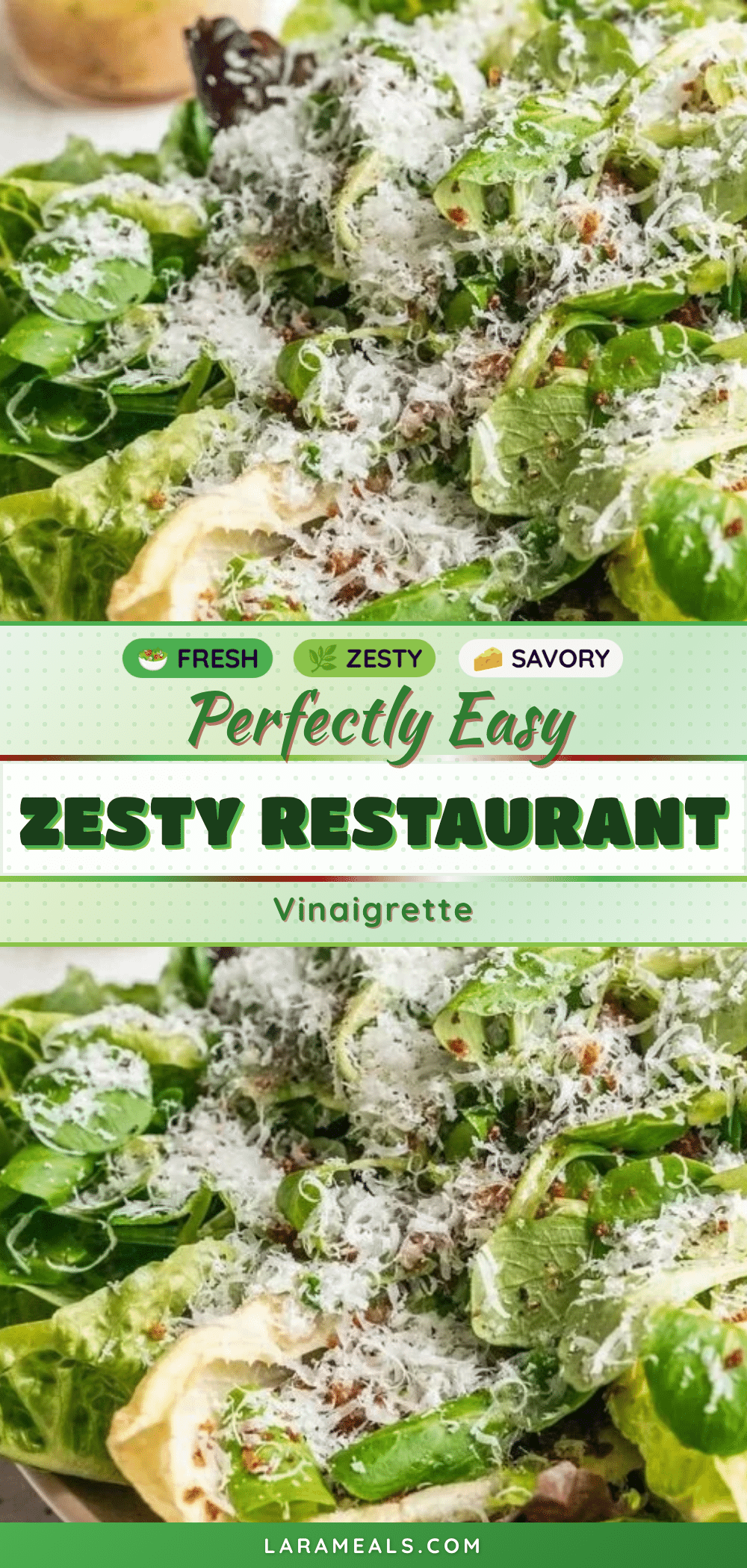
Easy Restaurant-Style Vinaigrette Recipe for Perfect Fresh Salads
A quick and simple vinaigrette recipe that delivers a perfect balance of tang, sweetness, and a silky texture, ideal for fresh salads and versatile enough for various dishes.
- Prep Time: 5 minutes
- Cook Time: 0 minutes
- Total Time: 5 minutes
- Yield: About 8 servings (2 tablespoons per serving) 1x
- Category: Salad Dressing
- Cuisine: American
Ingredients
- ½ cup (120 ml) extra virgin olive oil
- 3 tablespoons (45 ml) white wine vinegar (or apple cider vinegar)
- 1 teaspoon Dijon mustard
- 1 teaspoon honey (or maple syrup)
- 1 small clove garlic, minced or grated
- ½ teaspoon salt
- ¼ teaspoon freshly ground black pepper
- Optional: 1 tablespoon fresh herbs (parsley, basil, or tarragon)
- Optional: lemon zest or a squeeze of lemon juice
Instructions
- Mince or grate 1 small clove of garlic finely.
- In a jar or bowl, combine 3 tablespoons white wine vinegar and 1 teaspoon Dijon mustard. Whisk or shake vigorously for about 30 seconds to start emulsification.
- Stir in 1 teaspoon honey, ½ teaspoon salt, and ¼ teaspoon freshly ground black pepper.
- Slowly drizzle in ½ cup extra virgin olive oil while whisking continuously, or add all at once and shake vigorously for about 1 minute until pale and creamy.
- Stir in the minced garlic and any optional fresh herbs. Give a final stir or shake to distribute evenly.
- Taste and adjust seasoning: add more honey for sweetness, more vinegar for acidity, or a little water to thin if needed.
- Pour about 2 tablespoons per salad serving over greens and toss gently but thoroughly.
Notes
Add olive oil slowly while whisking or shake vigorously for proper emulsification to achieve a creamy texture. Let vinaigrette rest for at least 15 minutes before serving to deepen flavors. Store in an airtight jar in the fridge for up to one week; shake before use if separated. Substitute honey with maple syrup or agave for vegan option. Adjust vinegar type and amount to taste.
Nutrition
- Serving Size: 2 tablespoons (30 ml
- Calories: 120
- Sodium: 150
- Fat: 14
- Carbohydrates: 2
Keywords: vinaigrette, salad dressing, easy vinaigrette, restaurant-style dressing, olive oil dressing, quick salad dressing, homemade vinaigrette