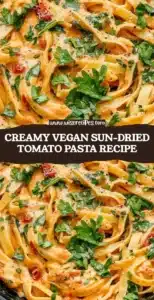
Love this? Save it for later!
Share the inspiration with your friends
The jar of sun-dried tomatoes had been sitting in my pantry for months. I bought it on a whim during a grocery run, convinced I’d turn it into something magical. Instead, it became that ingredient I kept pushing aside—too specific, too bold, too much of a commitment for a Tuesday night. Then came the kind of evening that changes how you see a pantry staple.
It was raining, I was tired, and my fridge was practically empty. No cream, no cheese, no fresh vegetables that hadn’t already surrendered to the crisper drawer. But I had pasta, I had that jar of sun-dried tomatoes, and I had a can of coconut milk I’d stashed for a smoothie phase that never happened. Desperation cooking, honestly. I threw them together in a pan, expecting nothing more than a meal to get me through the night.
What came out of that pan was pure accident. The sauce turned velvety, almost luscious, with this deep, tangy sweetness from the tomatoes that cut through the richness of the coconut milk. It didn’t taste like a compromise. It tasted intentional. That’s the thing about this creamy vegan sun-dried tomato pasta—it doesn’t ask you to miss anything. It just delivers.
I made it three times that week. Each time, I tweaked a little—more garlic, a splash of pasta water, a pinch of red pepper flakes. By the third round, I knew this wasn’t just a backup meal. It was the one I’d reach for when I wanted comfort without the heaviness. The kind of recipe that makes you forget it’s vegan entirely.
Why You’ll Love This Recipe
This isn’t just another pasta recipe. It’s the one that proves vegan cooking can be indulgent without effort. After testing this dish more times than I care to count, I can tell you exactly why it works.
- Ready in 20 Minutes: From pot to plate, this comes together faster than delivery. Perfect for those nights when hunger hits hard and patience runs thin.
- Pantry-Friendly Ingredients: No fancy trips to specialty stores. You likely have most of this already—pasta, garlic, olive oil, and some form of plant-based milk or coconut cream.
- Rich Without the Dairy: The secret is blending sun-dried tomatoes with creamy coconut milk. It creates a sauce that’s velvety, satisfying, and completely plant-based.
- Naturally Gluten-Free Option: Swap in your favorite gluten-free pasta, and this recipe adapts beautifully without losing any of its charm.
- Crowd-Pleaser Status: I’ve served this to dedicated carnivores and skeptical vegans alike. Every single person asked for seconds.
What sets this apart from other vegan pasta recipes is the texture. Most vegan sauces fall into two camps—too thin or too heavy. This one hits that sweet spot where it coats every strand of pasta like a hug. The sun-dried tomatoes bring an umami depth that mimics the savory richness you’d expect from parmesan. It’s comfort food reimagined—faster, healthier, but with the same soul-soothing satisfaction.
What Ingredients You Will Need
This recipe uses simple, wholesome ingredients that work together to create something surprisingly luxurious. Here’s what you’ll need and why each one matters.
- 12 ounces (340g) pasta: Any shape works, but I prefer penne, fusilli, or fettuccine. The ridges and curves catch the sauce beautifully. For a gluten-free option, use your favorite brown rice or chickpea pasta.
- 1 cup (120g) sun-dried tomatoes in oil: These are the backbone of this dish. I recommend using the ones packed in olive oil for extra flavor. Drain them slightly but don’t rinse—that oil is liquid gold. If you only have dry-packed sun-dried tomatoes, rehydrate them in hot water for 10 minutes before using.
- 1 can (13.5 oz / 400ml) full-fat coconut milk: This creates the creamy base. Don’t use light coconut milk here—it won’t give you that velvety texture. Shake the can well before opening to ensure the cream and water are combined.
- 4 cloves garlic, minced: Fresh garlic is non-negotiable. It adds that sharp, aromatic punch that balances the sweetness of the tomatoes.
- 1 medium yellow onion, diced: Adds sweetness and depth to the sauce. Shallots work beautifully here too.
- 3 tablespoons olive oil: For sautéing. The oil from the sun-dried tomato jar works perfectly if you want to double down on flavor.
- 1/4 cup (60ml) reserved pasta water: This starchy liquid helps bind the sauce and adjust consistency. Don’t skip it.
- 1/2 teaspoon red pepper flakes (optional): Adds a gentle warmth that cuts through the richness. Adjust to your spice tolerance.
- 1 teaspoon dried oregano: Brings an earthy, herby note that complements the tomatoes.
- 1/2 teaspoon salt, plus more to taste: Seasons the sauce and enhances all the other flavors.
- 1/4 teaspoon black pepper: A little freshness and bite.
- Fresh basil leaves, for garnish: Brightens the dish and adds a pop of color. Fresh parsley works too.
- Optional: 2 tablespoons nutritional yeast: For a cheesy, umami flavor without dairy. I add this when I want an extra savory kick.
I’ve tested this with different plant-based milks—almond, oat, and soy. None of them come close to the richness of coconut milk. If you’re avoiding coconut, try cashew cream instead. Soak 1/2 cup of raw cashews in hot water for 15 minutes, then blend until smooth. It’s a bit more work, but the result is equally creamy.
Equipment Needed
You don’t need a professional kitchen to make this dish. Here’s what you’ll actually use.
- Large pot: For boiling pasta. Go with a 5-quart or larger pot to give the pasta room to cook evenly.
- Large skillet or sauté pan: A 12-inch pan with high sides works best. It gives you space to build the sauce without splattering everywhere.
- Chef’s knife and cutting board: For dicing the onion and mincing the garlic. A sharp knife makes this step effortless.
- Wooden spoon or silicone spatula: For stirring the sauce. Wooden spoons are gentle on non-stick pans and don’t scratch.
- Measuring cups and spoons: For accuracy. I’ve eyeballed this recipe before, and it never turns out as good.
- Colander: For draining pasta. Reserve that pasta water before you drain—trust me on this.
If you don’t have a large skillet, a deep saucepan works just fine. The key is having enough surface area to coat the pasta evenly. I’ve also made this in a wok when my kitchen was packed after hosting a dinner party. It worked surprisingly well.
Preparation Method
Let’s walk through this step by step. I’ll include the little details that make a big difference.
- Bring a large pot of salted water to a rolling boil. Use about 1 tablespoon of salt per 4 quarts of water. The pasta absorbs this salt, so don’t skimp. While the water heats, dice your onion and mince your garlic.
- Cook the pasta according to package directions until al dente. For penne, that’s usually 10-12 minutes. Stir occasionally to prevent sticking. About 2 minutes before the pasta is done, scoop out 1 cup of pasta water and set it aside. Then drain the pasta in a colander. Don’t rinse it—you want that starch to help the sauce cling.
- While the pasta cooks, heat 3 tablespoons of olive oil in a large skillet over medium heat. Add the diced onion and cook for 4-5 minutes until translucent and fragrant. You’re looking for soft, not brown. Stir occasionally so it doesn’t stick.
- Add the minced garlic and red pepper flakes. Cook for 30-60 seconds until the garlic is fragrant. Garlic burns fast, so keep it moving. If it starts browning too quickly, lower the heat.
- Add the sun-dried tomatoes to the pan. If they’re packed in oil, let a little of that oil drip in too—it adds incredible flavor. Cook for 2 minutes, stirring occasionally. The tomatoes will soften and release their sweetness.
- Pour in the full-fat coconut milk. Stir to combine with the onion and tomato mixture. Bring it to a gentle simmer, then reduce the heat to low. Let it cook for 3-4 minutes, stirring occasionally, until the sauce thickens slightly. It should look creamy and cohesive, not watery.
- Season the sauce with dried oregano, salt, and black pepper. Stir well. Taste it. This is where you adjust—add more salt if it feels flat, more pepper if you want heat. If you’re using nutritional yeast, stir it in now.
- Add the drained pasta to the skillet with the sauce. Toss everything together using tongs or a wooden spoon. You want every piece of pasta coated in that creamy sauce. If the sauce feels too thick, add reserved pasta water a tablespoon at a time until it reaches your desired consistency. I usually add about 1/4 cup.
- Let the pasta rest in the sauce for 1-2 minutes off the heat. This allows the flavors to meld together. The pasta will absorb some of the sauce, making every bite more flavorful.
- Serve immediately, garnished with fresh basil leaves. A drizzle of olive oil on top never hurts. If you want extra crunch, sprinkle some toasted pine nuts or breadcrumbs over the top.
One thing I learned the hard way—don’t overcook the pasta. Mushy pasta ruins the texture of this dish. Al dente is your friend. The residual heat from the sauce will continue cooking it slightly, so pulling it a minute early is actually perfect.
Cooking Tips & Techniques
After making this dish more times than I can count, I’ve picked up a few tricks that make a real difference.
Reserve more pasta water than you think you need. I always save a full cup, even though I usually only use a quarter. There’s nothing worse than needing more liquid and having already dumped it down the drain. The starchy water is what gives the sauce that silky, restaurant-quality texture.
Blend the sauce for an ultra-smooth finish. If you want a completely velvety sauce, transfer the coconut milk and sun-dried tomato mixture to a blender before adding the pasta. Blend on high for 30 seconds, then return it to the pan. This creates a sauce that’s almost like a vegan alfredo. I do this when I’m serving guests who might be skeptical about chunky vegan sauces.
Toast your spices before adding liquid. When you add the oregano and red pepper flakes to the hot oil, let them sizzle for about 15 seconds before pouring in the coconut milk. This wakes up their essential oils and makes the flavors more pronounced. I learned this from a chef friend who toasts every single spice she uses. It’s a small step that pays off big.
Don’t rush the onion. I used to speed through this step, impatient to get to the sauce. But undercooked onions leave a raw, sharp taste that clashes with the creamy tomatoes. Give them the full 5 minutes. They should look translucent and smell sweet, not pungent.
Watch your heat with coconut milk. Coconut milk can separate if you boil it aggressively. Keep the heat at a gentle simmer—small bubbles around the edges, not a rolling boil. If it does separate, don’t panic. Whisk it vigorously for 30 seconds, and it usually comes back together. Adding a splash of pasta water helps too.
I once forgot to add salt until the very end. The sauce tasted flat and lifeless. Salt is what makes the sun-dried tomatoes sing and the coconut milk feel rich. Season at every stage—a pinch when you start the onions, another when you add the tomatoes, and a final adjustment at the end.
Variations & Adaptations
This recipe is incredibly flexible. Here are some of my favorite ways to switch it up.
Add protein for a heartier meal. Toss in a cup of cooked chickpeas or white beans when you add the coconut milk. They soak up the sauce beautifully. For a non-vegan option, grilled chicken or shrimp work wonders. I’ve also added crumbled vegan sausage, and it was incredible—especially with a side of crispy ultimate BBQ chicken grilled cheese sandwich for a truly indulgent meal.
Make it a one-pan meal. After cooking the pasta, instead of draining it, use a slotted spoon to transfer it directly to the sauce. Reserve the pasta water in a measuring cup. This saves a step and keeps more starch in the dish.
Go green. Stir in a handful of fresh spinach or kale right before serving. The residual heat wilts it perfectly. I also love adding roasted broccoli or asparagus for extra texture. It turns this into a complete meal without any extra sides.
Try different herbs. Fresh thyme or rosemary pairs beautifully with sun-dried tomatoes. Add them with the garlic for a more aromatic sauce. In summer, I use fresh basil from my garden and it’s absolutely divine.
Make it oil-free. Sauté the onion and garlic in vegetable broth instead of olive oil. Use oil-packed sun-dried tomatoes for flavor, or rehydrate dry-packed ones. The sauce will be slightly less rich but still delicious.
Spice it up. Double the red pepper flakes, or add a teaspoon of smoked paprika for a deeper, smokier flavor. I once added a tablespoon of harissa paste, and it was a game-changer—spicy, tangy, and completely addictive.
For a fun twist, I’ve made this into a baked pasta dish. After tossing the pasta with the sauce, transfer it to a baking dish, top with vegan breadcrumbs, and bake at 375°F for 15 minutes. The crispy topping adds a whole new dimension.
Serving & Storage Suggestions
This pasta is best served immediately, straight from the pan while the sauce is still warm and luscious. But it also holds up well, which makes it great for meal prep.
Serving temperature: Serve hot, with an extra drizzle of olive oil and a sprinkle of fresh basil. For a complete meal, pair it with a simple green salad dressed with lemon and olive oil. The acidity cuts through the richness of the sauce perfectly.
What to serve alongside: Garlic bread is a classic choice, but I also love serving this with roasted vegetables like asparagus or zucchini. For a heartier spread, try it with flavorful smoky charred shrimp with zesty corn salsa for a surf-and-turf vibe that’s surprisingly easy.
Storage: Store leftovers in an airtight container in the refrigerator for up to 4 days. The pasta will absorb some of the sauce as it sits, so don’t be alarmed if it looks drier the next day. To reheat, add a splash of water or vegetable broth to loosen the sauce.
Reheating: The best way to reheat is on the stovetop over medium-low heat. Add a tablespoon of water or plant-based milk per serving, and stir gently until warmed through. Microwave works in a pinch, but the texture won’t be as good. If reheating from frozen, thaw overnight in the refrigerator first.
Freezing: This pasta freezes beautifully for up to 3 months. Let it cool completely, then transfer to a freezer-safe container. To serve, thaw overnight in the refrigerator and reheat as directed. I like to freeze individual portions for quick lunches.
The flavors actually deepen overnight. The sun-dried tomatoes become more pronounced, and the coconut milk melds with the garlic and herbs. Leftovers might even be better than the original—if that’s possible.
Nutritional Information & Benefits
This creamy vegan sun-dried tomato pasta is surprisingly nutritious for how indulgent it tastes. Here’s a rough breakdown per serving (based on 4 servings, using full-fat coconut milk and regular pasta).
| Nutrient | Amount Per Serving |
|---|---|
| Calories | 485 |
| Total Fat | 22g |
| Saturated Fat | 14g |
| Carbohydrates | 58g |
| Fiber | 6g |
| Sugar | 8g |
| Protein | 10g |
| Sodium | 480mg |
Health benefits: Sun-dried tomatoes are packed with lycopene, a powerful antioxidant linked to heart health and reduced inflammation. Coconut milk provides healthy medium-chain triglycerides (MCTs) that support energy metabolism. Garlic offers immune-boosting properties, and olive oil contributes heart-healthy monounsaturated fats.
Dietary considerations: This recipe is naturally vegan, dairy-free, and egg-free. For a gluten-free version, use certified gluten-free pasta. For a nut-free option, this recipe is already nut-free as written (coconut is technically a fruit, but some nut-allergic individuals may react to coconut—check with your guests).
Potential allergens: Coconut (for those with tree nut sensitivities) and gluten (if using wheat-based pasta). Always check labels on sun-dried tomatoes for any added sulfites if you have sensitivities.
I love that this recipe feels like a splurge but actually fits into a balanced diet. It’s the kind of meal that satisfies cravings without leaving you feeling heavy or sluggish.
Conclusion
This creamy vegan sun-dried tomato pasta is proof that simple ingredients can create something extraordinary. It’s quick enough for a busy weeknight, impressive enough for company, and comforting enough to become a regular in your rotation. The sauce is velvety, the flavors are bold, and the whole thing comes together in the time it takes to boil pasta.
What I love most about this recipe is how adaptable it is. You can make it your own—add protein, switch up the herbs, blend it smooth, or keep it chunky. It’s forgiving, flexible, and always delicious. The first time I made it, I was just trying to use up pantry odds and ends. Now, I make it intentionally, sometimes twice a week. It’s that good.
I’d love to hear how this turns out for you. Did you add your own twist? Discover a new favorite variation? Drop a comment below and share your experience. And if you loved it, don’t forget to share this recipe with a friend who needs a quick, satisfying meal in their back pocket. Happy cooking!
Frequently Asked Questions
Can I use light coconut milk instead of full-fat?
You can, but the sauce won’t be as creamy. Light coconut milk has more water and less fat, which results in a thinner, less luxurious sauce. If you’re watching calories, try using half full-fat and half light for a compromise.
What if I don’t have sun-dried tomatoes in oil?
Dry-packed sun-dried tomatoes work perfectly. Rehydrate them in hot water for 10-15 minutes until softened, then drain and chop them before adding to the pan. You’ll need to add a bit more olive oil to the sauce to compensate for the missing oil.
Can I make this ahead of time?
Absolutely. The pasta stores well in the refrigerator for up to 4 days. The sauce will thicken as it sits, so add a splash of water or vegetable broth when reheating. I actually think the flavors meld together beautifully overnight.
Is this recipe gluten-free?
As written, it uses regular wheat pasta. To make it gluten-free, simply swap in your favorite gluten-free pasta. Brown rice pasta, chickpea pasta, or lentil pasta all work wonderfully. Just be careful not to overcook them, as gluten-free pasta can get mushy quickly.
How can I add more protein to this dish?
There are so many ways! Toss in cooked chickpeas, white beans, or lentils when you add the coconut milk. Grilled tofu or tempeh crumbles are excellent options. For non-vegan versions, grilled chicken, shrimp, or Italian sausage pair beautifully with the sun-dried tomato sauce. For a complete protein-packed meal, serve it alongside wholesome marinated kale and chicken bowls for a satisfying dinner duo.
Pin This Recipe!
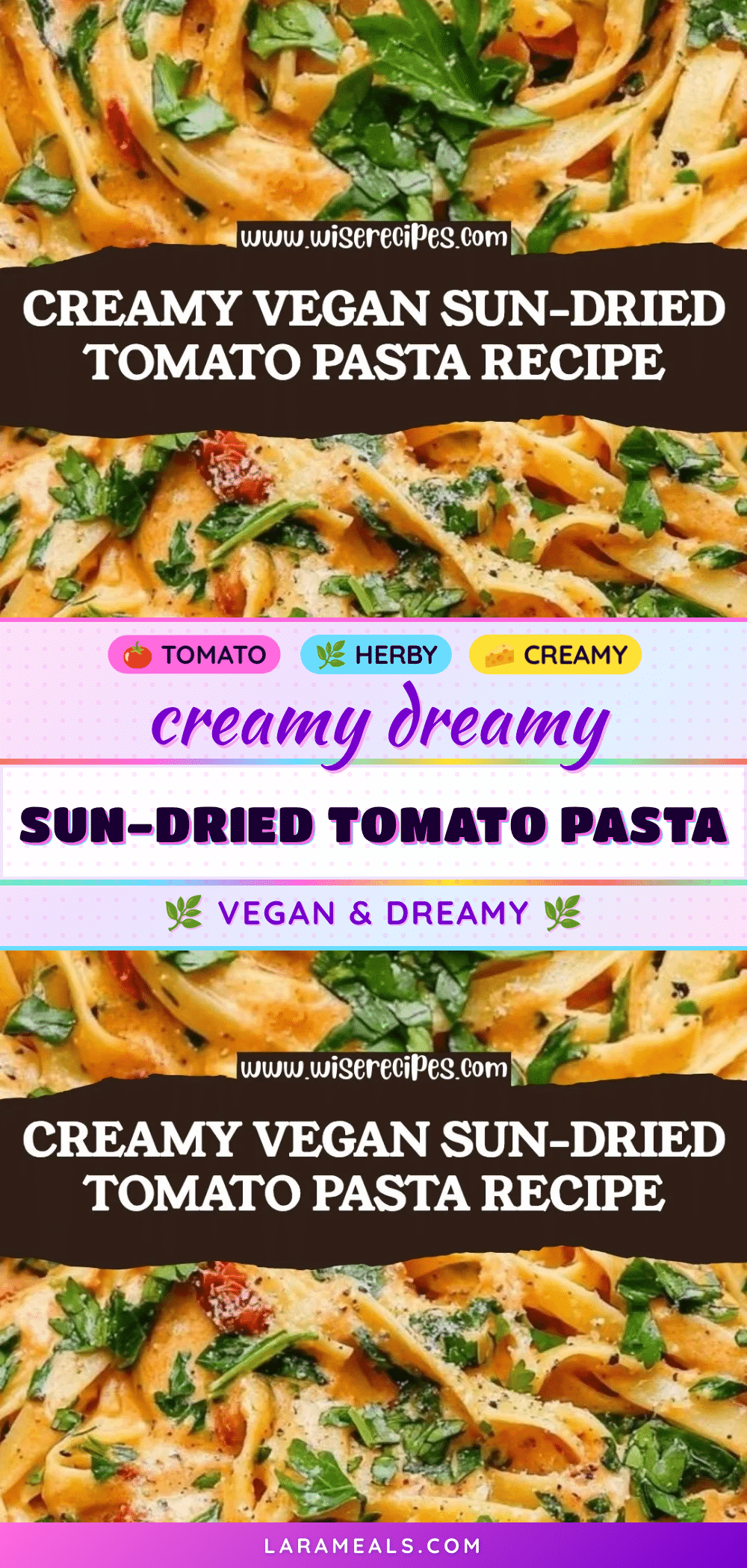
Creamy Vegan Sun-Dried Tomato Pasta (Easy 20-Minute Meal)
A quick and indulgent vegan pasta with a velvety sun-dried tomato and coconut milk sauce, ready in 20 minutes. Perfect for busy weeknights, this pantry-friendly recipe is naturally dairy-free and can be made gluten-free.
- Prep Time: 5 minutes
- Cook Time: 15 minutes
- Total Time: 20 minutes
- Yield: 4 servings 1x
- Category: Main Course
- Cuisine: Italian
Ingredients
- 12 ounces (340g) pasta (penne, fusilli, or fettuccine)
- 1 cup (120g) sun-dried tomatoes in oil
- 1 can (13.5 oz / 400ml) full-fat coconut milk
- 4 cloves garlic, minced
- 1 medium yellow onion, diced
- 3 tablespoons olive oil
- 1/4 cup (60ml) reserved pasta water
- 1/2 teaspoon red pepper flakes (optional)
- 1 teaspoon dried oregano
- 1/2 teaspoon salt, plus more to taste
- 1/4 teaspoon black pepper
- Fresh basil leaves, for garnish
- Optional: 2 tablespoons nutritional yeast
Instructions
- Bring a large pot of salted water to a rolling boil. Use about 1 tablespoon of salt per 4 quarts of water. While the water heats, dice your onion and mince your garlic.
- Cook the pasta according to package directions until al dente. About 2 minutes before the pasta is done, scoop out 1 cup of pasta water and set it aside. Then drain the pasta in a colander. Do not rinse.
- While the pasta cooks, heat 3 tablespoons of olive oil in a large skillet over medium heat. Add the diced onion and cook for 4-5 minutes until translucent and fragrant.
- Add the minced garlic and red pepper flakes. Cook for 30-60 seconds until the garlic is fragrant.
- Add the sun-dried tomatoes to the pan. Cook for 2 minutes, stirring occasionally.
- Pour in the full-fat coconut milk. Stir to combine. Bring to a gentle simmer, then reduce heat to low. Cook for 3-4 minutes, stirring occasionally, until the sauce thickens slightly.
- Season the sauce with dried oregano, salt, and black pepper. Stir well. If using nutritional yeast, stir it in now.
- Add the drained pasta to the skillet with the sauce. Toss everything together. If the sauce feels too thick, add reserved pasta water a tablespoon at a time until desired consistency.
- Let the pasta rest in the sauce for 1-2 minutes off the heat.
- Serve immediately, garnished with fresh basil leaves.
Notes
Reserve more pasta water than you think you need. For an ultra-smooth sauce, blend the coconut milk and sun-dried tomato mixture before adding pasta. Toast spices in hot oil for 15 seconds before adding liquid. Don’t rush the onion—cook until translucent. Keep heat gentle to avoid coconut milk separation. Season at every stage.
Nutrition
- Serving Size: 1 serving (about 1/4
- Calories: 485
- Sugar: 8
- Sodium: 480
- Fat: 22
- Saturated Fat: 14
- Carbohydrates: 58
- Fiber: 6
- Protein: 10
Keywords: vegan pasta, sun-dried tomato pasta, creamy vegan pasta, 20-minute meal, dairy-free pasta, easy vegan dinner