Love this? Save it for later!
Share the inspiration with your friends
“You’re telling me I can’t just crack an egg in hot water and call it poached?” That was my skeptical friend’s reaction the first time I invited them over for breakfast. Honestly, I get it. Poached eggs seem like one of those fancy restaurant tricks — delicate, elusive, and doomed to watery failures in home kitchens. But truth be told, the perfect poached eggs recipe I’m about to share came from a quiet morning when I was too tired to deal with complicated breakfasts. I just wanted that creamy, runny yolk comfort without the mess or stress.
It started with a casual text from a coworker bragging about their brunch spot’s “dreamy poached eggs.” I rolled my eyes, figuring it was just a gimmick. But then I thought, why not try to make them myself? After a few early mornings (and a couple of eggs that didn’t quite cooperate), I nailed it. The swirl of the water, the gentle simmer, the exact timing — it all came together in a way that made me pause and savor that cozy moment. No fancy gadgets, no fuss, just eggs that slip off the spoon like little pillows of comfort.
Since then, I’ve been making perfect poached eggs for those slow weekend breakfasts or even rushed weekday mornings when I crave something comforting but quick. The kitchen smells like a gentle reminder that some simple pleasures don’t need to be complicated. It’s not just food; it’s a small pause, a quiet reset, a reason to slow down and enjoy. And honestly, that’s why this perfect poached eggs recipe stuck — because it’s as much about the calm it brings as it is about the taste.
Why You’ll Love This Recipe
Having tested this perfect poached eggs recipe countless times, I can say it’s truly a game changer for your breakfast routine. Whether you’re a seasoned home cook or just starting out, these eggs deliver every time.
- Quick & Easy: Comes together in under 10 minutes, perfect for busy mornings or a leisurely weekend brunch.
- Simple Ingredients: Just eggs, water, and a splash of vinegar — no fancy extras needed.
- Perfect for Cozy Breakfasts: Ideal for pairing with toast, avocado, or even that crispy ultimate BBQ chicken grilled cheese sandwich for a satisfying meal.
- Crowd-Pleaser: Everyone raves about the silky yolks and tender whites — kids and adults alike.
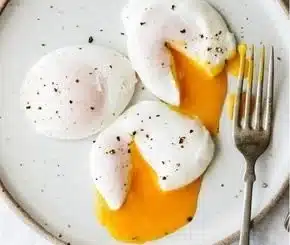
- Unbelievably Delicious: The texture hits that perfect balance between firm whites and oozy yolks, making each bite pure comfort.
What sets this recipe apart is the technique — a gentle whirlpool and just the right water temperature that keeps the egg together without rubberiness. I also add a tiny splash of vinegar which helps the whites coagulate quickly, but not enough to make your eggs taste vinegary (promise!). It’s the kind of breakfast that makes you close your eyes on the first bite and savor the quiet joy of a simple, well-made dish.
What Ingredients You Will Need
This perfect poached eggs recipe uses simple, wholesome ingredients that probably live in your fridge and pantry already. Each element plays a specific role in creating that silky, tender texture and subtle flavor.
- Large Fresh Eggs: Room temperature is best — cold eggs can shock the water and mess with cooking times. I find the freshest eggs produce the most compact whites.
- Water: Enough to fill your pan or pot about 3 inches (7.5 cm) deep — you want a gentle simmer, not a rolling boil.
- White Vinegar: About 1 tablespoon (15 ml) per 4 cups (1 liter) of water. This helps the egg whites set quickly and cleanly.
- Salt and Pepper: To season after cooking, enhancing the natural egg flavor without overpowering it.
- Optional: Fresh Herbs or Hot Sauce: For a little extra flair — think chopped chives, parsley, or a dash of your favorite spicy drizzle.
For the freshest eggs, I like brands that clearly state “free-range” or “pasture-raised,” which often have richer yolks (a nice bonus). If you’re ever in a pinch, you can substitute apple cider vinegar, but the flavor will be a bit different. And if you’re looking for a dairy-free addition, consider a pat of vegan butter on your toast to accompany the eggs.
Equipment Needed
- Medium to Large Saucepan or Deep Skillet: Big enough to hold several inches of water for poaching eggs comfortably.
- Slotted Spoon: Essential for gently lifting the poached eggs out of the water without breaking them.
- Small Bowls or Ramekins: For cracking each egg before sliding it carefully into the water.
- Heat-Resistant Timer or Kitchen Timer: Timing is key, so having a reliable timer helps avoid overcooking.
- Optional: Fine Mesh Strainer: To drain any loose egg white bits from the water — it keeps your poaching water clean and your eggs neat.
If you don’t have a slotted spoon, a spider strainer works beautifully. Budget-wise, a simple metal spoon with holes can do the trick. I’ve found that using a shallow but wide pan makes managing multiple eggs easier, especially if you’re prepping a breakfast for more than one.
Preparation Method
- Heat the Water: Fill your saucepan with about 4 cups (1 liter) of water and add 1 tablespoon (15 ml) of white vinegar. Bring it to a gentle simmer over medium heat — you’re looking for small bubbles forming on the bottom, not a rolling boil. This usually takes about 5 minutes.
- Create a Whirlpool: Use a spoon to stir the water in a circular motion until it’s spinning gently. This swirl helps the egg white wrap around the yolk, creating that perfect shape.
- Crack the Egg: Crack one egg into a small bowl or ramekin to avoid shell pieces and make sliding the egg into the water easier.
- Poach the Egg: Carefully slide the egg from the bowl into the center of the whirlpool. Let it cook undisturbed for about 3-4 minutes for a runny yolk or 5 minutes for a slightly firmer center.
- Remove and Drain: Use a slotted spoon to lift the egg out gently. Let excess water drip off, then place the egg on a warm plate or lightly toasted bread.
- Season and Serve: Sprinkle with salt and pepper and add any herbs or hot sauce you like. Serve immediately for best texture.
Watch the water temperature closely — if it starts boiling vigorously, reduce the heat. If the water’s too still, the egg might spread out too thin. Timing is everything here; I set my timer and keep a close eye to avoid rubbery whites. If you’re cooking multiple eggs, poach them one at a time for best results.
Cooking Tips & Techniques
Poaching eggs honestly seems intimidating until you get the hang of it. Here are some tips I picked up after a few kitchen mishaps (more than a few whites floating loose in the pot!).
- Use Fresh Eggs: The fresher the egg, the tighter the white clings to the yolk. Older eggs tend to spread out more.
- Water Temperature: Keep the water at a gentle simmer, not a boil. Too hot and the eggs bounce around; too cool and they won’t cook properly.
- Vinegar Amount: Just a splash helps the whites set quickly. Too much vinegar can flavor the eggs oddly, so don’t overdo it.
- Gentle Whirlpool: The swirl traps the white around the yolk, but don’t stir wildly – you want a calm vortex.
- Timing is Key: Set a timer for accuracy. Overcooked poached eggs lose that luscious runniness that makes them special.
One thing I learned the hard way was to crack the eggs into small bowls first — sliding straight from the shell into the water often leads to shell fragments or broken yolks. Also, draining the egg on a paper towel before plating can help avoid excess water pooling on your plate.
Variations & Adaptations
Poached eggs are versatile and can be customized to your taste or dietary needs. Here are some variations I’ve enjoyed:
- Herb-Infused Poached Eggs: Add fresh herbs like thyme or dill to the poaching water for a subtle aroma that infuses the eggs.
- Spicy Poached Eggs: Serve with a drizzle of chipotle hot sauce or a sprinkle of chili flakes for a morning kick.
- Vegan “Poached” Eggs: For a plant-based twist, try using silken tofu or a vegan egg substitute prepared in a similar gentle water bath.
- Seasonal Toppings: Top with sautéed mushrooms or tomatoes, especially in fall or winter, for a heartier meal.
If you want to try a slightly different cooking method, some folks bake eggs in ramekins with cream and herbs for a custard-like effect, but honestly, the traditional poach feels more delicate and fresh. I once paired my poached eggs with the crispy ultimate BBQ chicken grilled cheese sandwich and it was a surprising but satisfying combo of textures and flavors.
Serving & Storage Suggestions
Poached eggs are best enjoyed fresh and warm, right off the stove. Serve them atop toasted sourdough or English muffins, maybe with a smear of butter or avocado. A sprinkle of flaky sea salt and freshly cracked pepper is all they need.
Pairing recommendations include:
- Lightly dressed greens or a fresh avocado caprese salad for a refreshing contrast.
- Smoky charred shrimp or crispy pan-seared salmon if you want to turn breakfast into a brunch feast.
- For beverages, a hot cup of coffee or a refreshing raspberry mint mojito rebel float can brighten the table.
If you have leftovers (rare, but possible!), poached eggs can be stored in a bowl of cold water in the fridge for up to 24 hours. Change the water daily and reheat by dipping the egg in warm water for a minute or two — avoid microwaving to keep that tender texture.
Over time, poached eggs lose their delicate texture, so I recommend making just what you need. Leftover eggs, if reheated gently, still make a fine addition to salads or grain bowls like a wholesome marinated kale and chicken bowl.
Nutritional Information & Benefits
One large poached egg contains approximately 70 calories, 6 grams of protein, 5 grams of fat, and less than 1 gram of carbohydrates. It’s a nutrient-dense choice that provides essential amino acids, vitamin B12, choline, and healthy fats.
Eggs support brain health, muscle repair, and sustained energy — making them a perfect start to your day. Poaching is a low-fat cooking method that preserves nutrients better than frying or scrambling in butter. For those watching gluten or carb intake, this recipe fits well into gluten-free and low-carb diets.
Keep in mind, eggs are a common allergen, so always double-check if serving guests. For a lighter option, serve with seasonal vegetables or a fresh fruit salad for added fiber and vitamins.
Conclusion
This perfect poached eggs recipe is a cozy breakfast staple that’s simple, satisfying, and surprisingly easy once you know the tricks. Whether you’re starting your day slow or rushing out the door, these eggs bring a little comfort and a lot of flavor to your plate. I love how this recipe invites small moments of calm and care into busy mornings — it’s a humble dish with a quietly luxurious feel.
Feel free to tweak the seasoning, pairings, or timing to suit your taste. And if you’re curious about other easy yet impressive dishes, you might enjoy my recipe for creamy shrimp and grits as a dinner treat or the fresh avocado caprese salad for a light side.
Give this a try and let me know how your perfect poached eggs turn out — I’m always here for tips, tweaks, and sharing the joy of good food at home.
FAQs About Perfect Poached Eggs
How fresh should eggs be for poaching?
Fresh eggs work best because their whites hold together more tightly. If eggs are older than a week, the whites tend to spread out in the water.
Can I poach more than one egg at a time?
Yes, but it’s best to add them one at a time with enough space between. Using a wide pan helps prevent sticking or merging.
Why add vinegar to the poaching water?
Vinegar helps the egg whites coagulate quickly, keeping the shape neat. Just a tablespoon per liter of water is enough without altering taste.
What if my poached eggs come out rubbery?
Overcooking or boiling water too hard can cause rubbery whites. Keep water at a gentle simmer and time the cooking carefully (3-4 minutes for runny yolks).
Can I prepare poached eggs ahead of time?
You can store poached eggs in cold water in the fridge for up to 24 hours and gently reheat in warm water before serving. For best texture, serve fresh.
Pin This Recipe!

Perfect Poached Eggs Recipe

A simple and reliable method to make silky, tender poached eggs with runny yolks and firm whites, perfect for cozy breakfasts or quick mornings.
- Prep Time: 5 minutes
- Cook Time: 4 minutes
- Total Time: 9 minutes
- Yield: 1 serving
- Category: Breakfast
- Cuisine: American
Ingredients
- Large fresh eggs (room temperature)
- Water (about 4 cups / 1 liter)
- White vinegar (1 tablespoon / 15 ml per 4 cups water)
- Salt (to taste)
- Pepper (to taste)
- Optional: Fresh herbs (chives, parsley, thyme, dill)
- Optional: Hot sauce or chili flakes
Instructions
- Fill a medium to large saucepan with about 4 cups (1 liter) of water and add 1 tablespoon (15 ml) of white vinegar.
- Bring the water to a gentle simmer over medium heat, with small bubbles forming on the bottom but not boiling.
- Use a spoon to stir the water in a circular motion to create a gentle whirlpool.
- Crack one egg into a small bowl or ramekin.
- Carefully slide the egg into the center of the whirlpool.
- Let the egg cook undisturbed for 3-4 minutes for a runny yolk or 5 minutes for a slightly firmer yolk.
- Use a slotted spoon to gently lift the egg out of the water and let excess water drip off.
- Place the poached egg on a warm plate or lightly toasted bread.
- Season with salt and pepper and add optional herbs or hot sauce as desired.
- Serve immediately for best texture.
Notes
Use the freshest eggs possible for best results. Keep water at a gentle simmer, not a rolling boil. Crack eggs into small bowls before sliding into water to avoid shell fragments. Poach eggs one at a time for best shape. Store leftovers in cold water in the fridge up to 24 hours and reheat gently in warm water.
Nutrition
- Serving Size: 1 large poached egg
- Calories: 70
- Fat: 5
- Carbohydrates: 1
- Protein: 6
Keywords: poached eggs, breakfast, easy recipe, quick breakfast, runny yolk, simple ingredients, cozy breakfast